Many machines can selvage selvage! Some more easily than others, making it an adventure to try out your new machine on some pretty heavy fabrics. Most recently, consumers have been excited about the ease of use offered by modern technology.
How Does a Regular Sewing Machine Sew Leather?
Sewing leather is not for the faint of heart. When you take your first pass at sewing your leather belt, shoes, or case bound bag, there will be some tears and redraws needed. There will also be layers of cream and powder applied over time to grow and strengthen your craft.
Can a regular sewing machine sew leather?
Most people believe that a specialized sewing machine cannot be used for leatherwork. However, this is true not only for the specialized machines, but for more regular ones as well.The main problem people have using the standard machines for leather work is that the software does not know how to use process settings to add in different levels of thickness and texture.
This is where the special machines know how to add in these details!
Can a regular sewing machine be used for leather work? Yes! The best places to try it out are on a rippled or soft-furred item such as Leather Handbag Belts or some Boots. These materials are less dense than most fabric types and can be easily passed through the machine.
What type of needle do I use?

If you are sewing leather, then it is important that you use a leather needle. These are typically longer and thicker than an ordinary sewing needle.
Most leather needles come with a sharpened tip that is meant to be used in the same direction as the thread. This helps insure that you are placing your mark on the leather and pulling through all of the layers.
If you are using a standard sized sewing needle, then do not expect any of the features of the leather needle to work. The features will be lost when trying to use a smaller size needle!
Can a regular sewing machine sew elastic? If so, do so slowly and carefully, or maythe edge be broken.!
Sewing at least twice per week is important for quality contentedness.
What type of thread should I use?
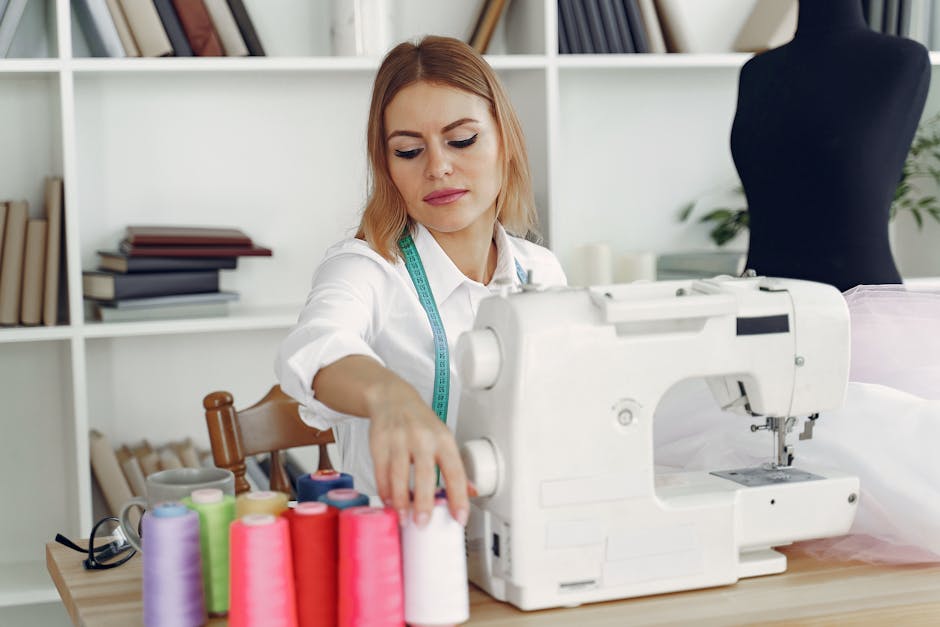
When it comes to sewing leather, there are a few main threads you should know. The right thread can make a huge difference in the finished product.
The right thread will allow you to pick up and hold an edge, as well as be durable enough for stitching on leather devices. If the thread is not of these types, it will not be successful in sewing on the leather.
There are many brands of needle and thread, so when looking for a new set, look for reviews by other sewists who have used them. Many have positive experiences with them!
Many people use cotton or nylon threads instead of silk, but the latter is better at what we want to do with our projects.
Do I need to oil my machine first?

If you use a serger, then yes! If you use a topstitch, then yes! If you use zips, then yes!
If you do not, then no. You can still try it out!
Sewing is a very physical process. You have to put in the effort to take your project and make it look better. That is what makes it worth doing, right?
So take your time and effort into your projects—whether it be a few inches or kilometers of fabric. If you want to go more elaborate, there are some great online courses that offer training on how to make more complex projects such as rugs or chamchusets.
Find the right gear ratio

When it comes to choosing a sewing machine, there are two main things you need to consider. the size of your pattern and the gear ratio. Both of these can make a big difference in how well your machine can sew leather!
Sizing Your Machine
Modern machines have small sized cartridges that hold pre-programmed settings. This makes it easy to start working with your machine without having to change any of the settings.
However, there are some settings that don’t work on some leathers. Some machines cannot handle certain animal species, luster, or sizes. If you have a large format machine, or a small format one, then you should think about buying an attachment that can be mounted on the front of the machine.
An important part of choosing an attachment is looking at its size in relation to the cartridge on your machine.
Learn how to adjust the tension

When sewing leather, it is important to know how much tension the machine has available. This will help keep your leather looking nice and smooth.
Many sewing machines have a dial or button that can be adjusted to change the tension. Some of these have different settings for thin and thick leather, and/or different settings for sew-n-textured leather versus machine-finished leather.
To access the tension adjustment on a regular sewing machine, turn the foot counterclockwise until the top tab is exposed. Then, pull up on the foot to set the tension.
To change tensions on a serger, turn the bar back over until you find the reset tab. Then, set your desired width of fabric and press hard enough to bind it together. Use an identical amount of pressure to get this limit- Switching between these two methods may take some trial and error, but make sure you have enough tension on each side.
Use the correct foot for the material
When using a regular sewing machine to sew leather, it is important to use the right foot for the material.
Many machines have a special foot that is used for refuse or waste materials such as canvas and dust bags are common. This foot does not apply any pressure on the fabric and it must be lifted off the fabric before it is cut.
Because of this, some machines do not work well with leather because of its resistance to heat. A good tip to use when working with leather is to check your machine’s instruction manual for a tip on how to use it correctly.
Some machines have a special foot that is used for soft fabrics such as wool and cotton because these materials do not require any pressure on the fabric when sewn.
Keep your machine clean and oiled
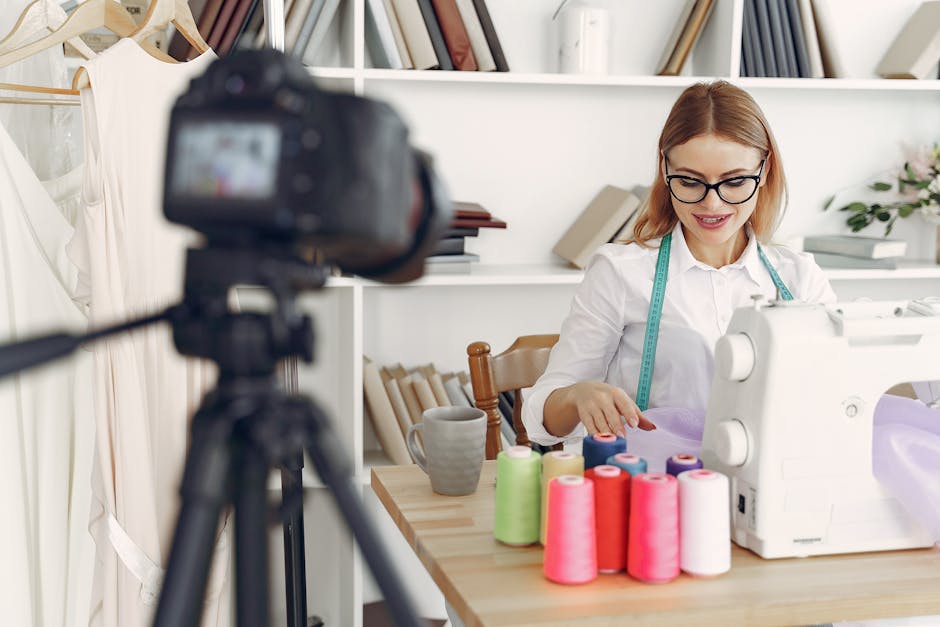
When starting out, it is important to keep your machine clean. You can do this by following the manufacturer’s instructions for cleaning your machine.
After each project, turn it loose and allow it to dry completely. Then, re-thread your machine and start a new project!
To keep your machine oiled, use vaseline as a finishing oil and dust the inside of the machine lightly. After every use, lightly oil the top of the machine to ensure good gripping as you thread it and start a new project.
Sewing with a regular Singer or similar may be able to get you on your feet quickly. Craft shops often have access to sewing machines that have been built specifically for hobbyists like you.
Comments
Post a Comment
Optimistic comments please, No bad language